The diagrams in this gallery depict package entities for economic and financial indicators, indices, foreign exchange, and interest rates.
Package diagram
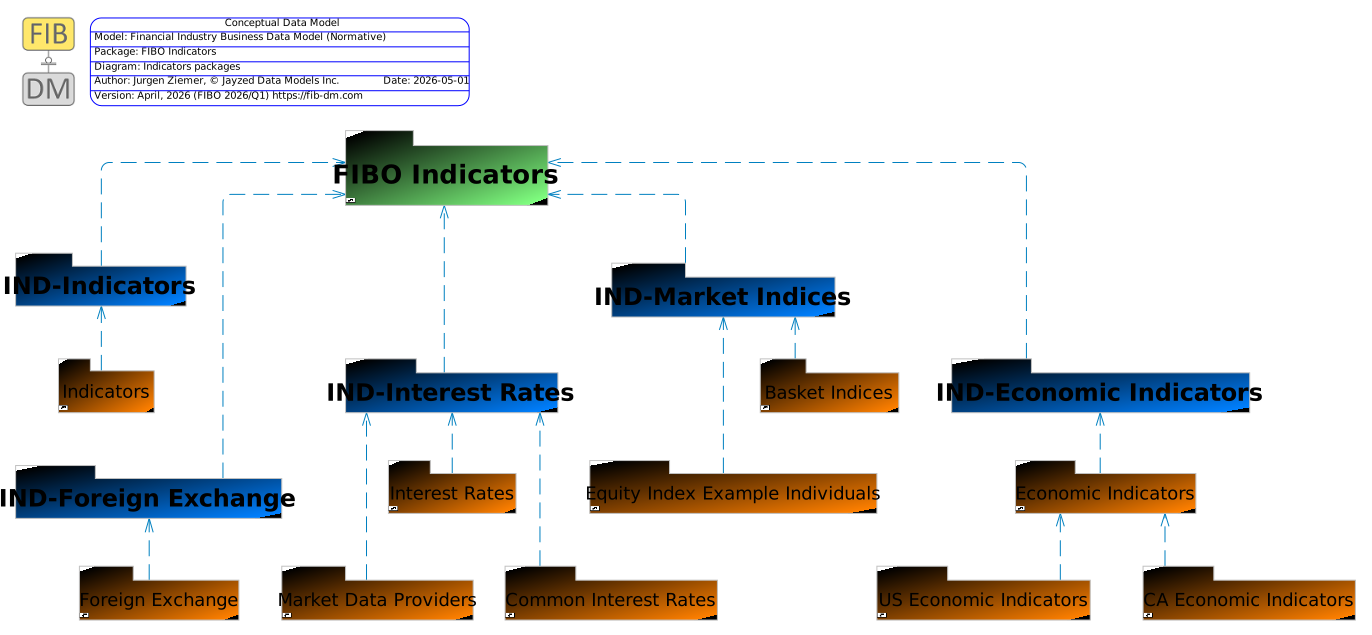
The diagram shows the Indicator sub-packages and their dependencies. Economic indicators such as GDP, Inflation, and Employment pertain to countries, states, and political areas. Financial Market indicators, FX, Interest Rates, and Indices are subtypes of Indicators that hold common design and properties.
Entity diagrams
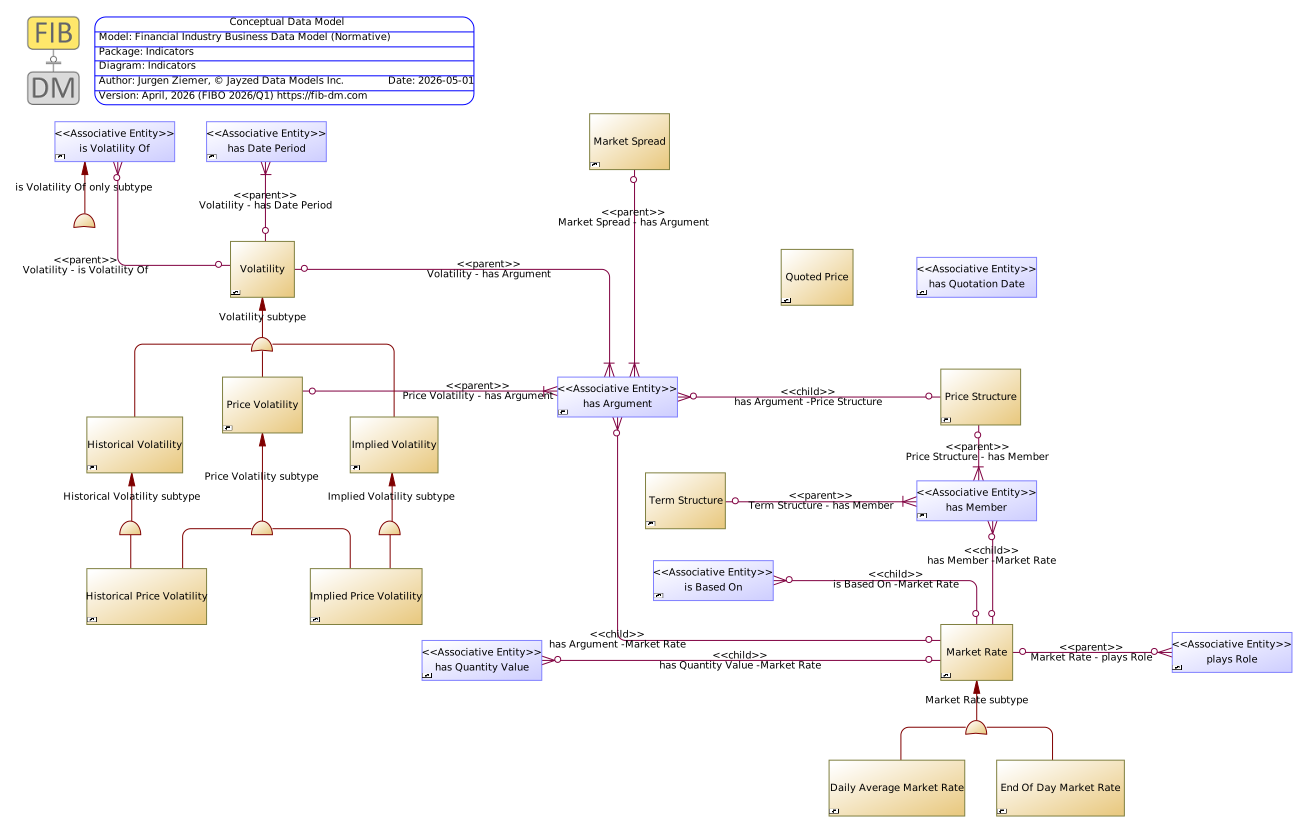
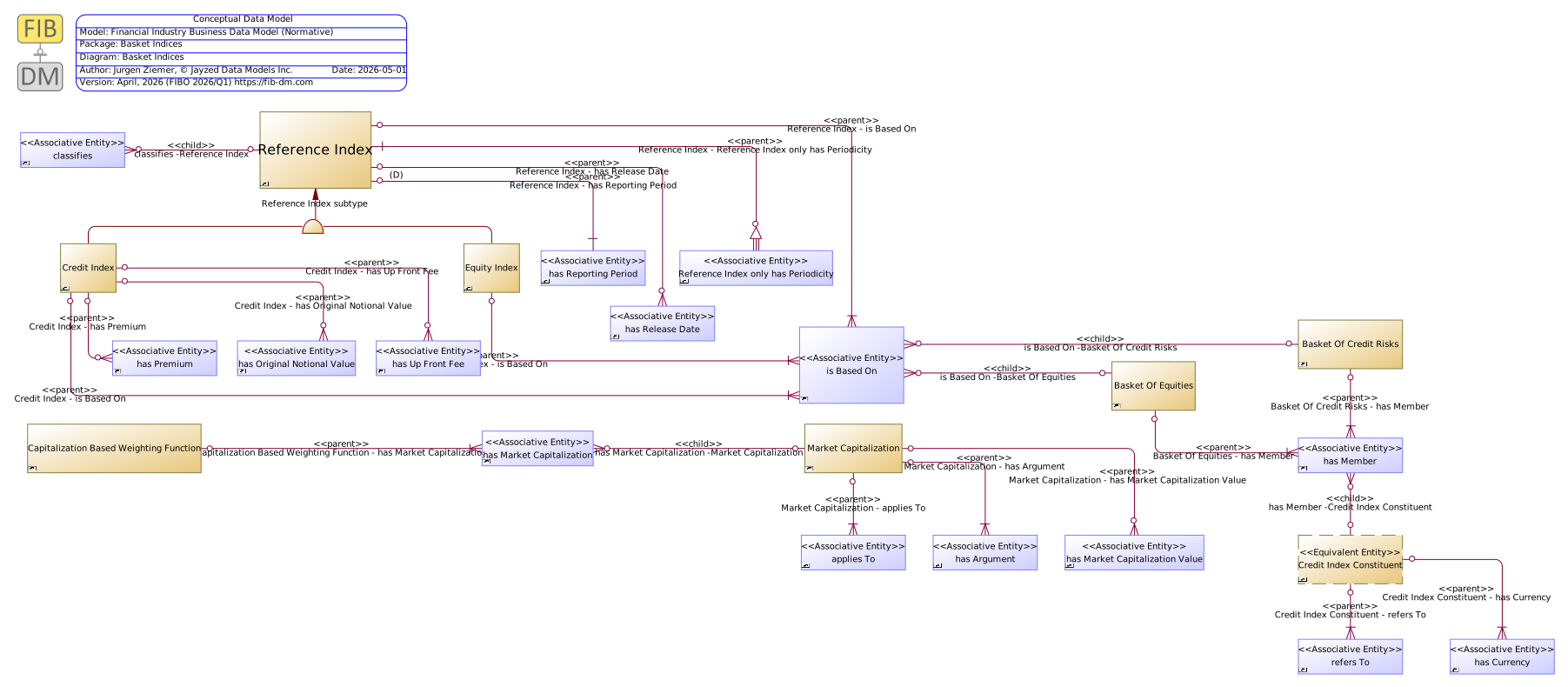
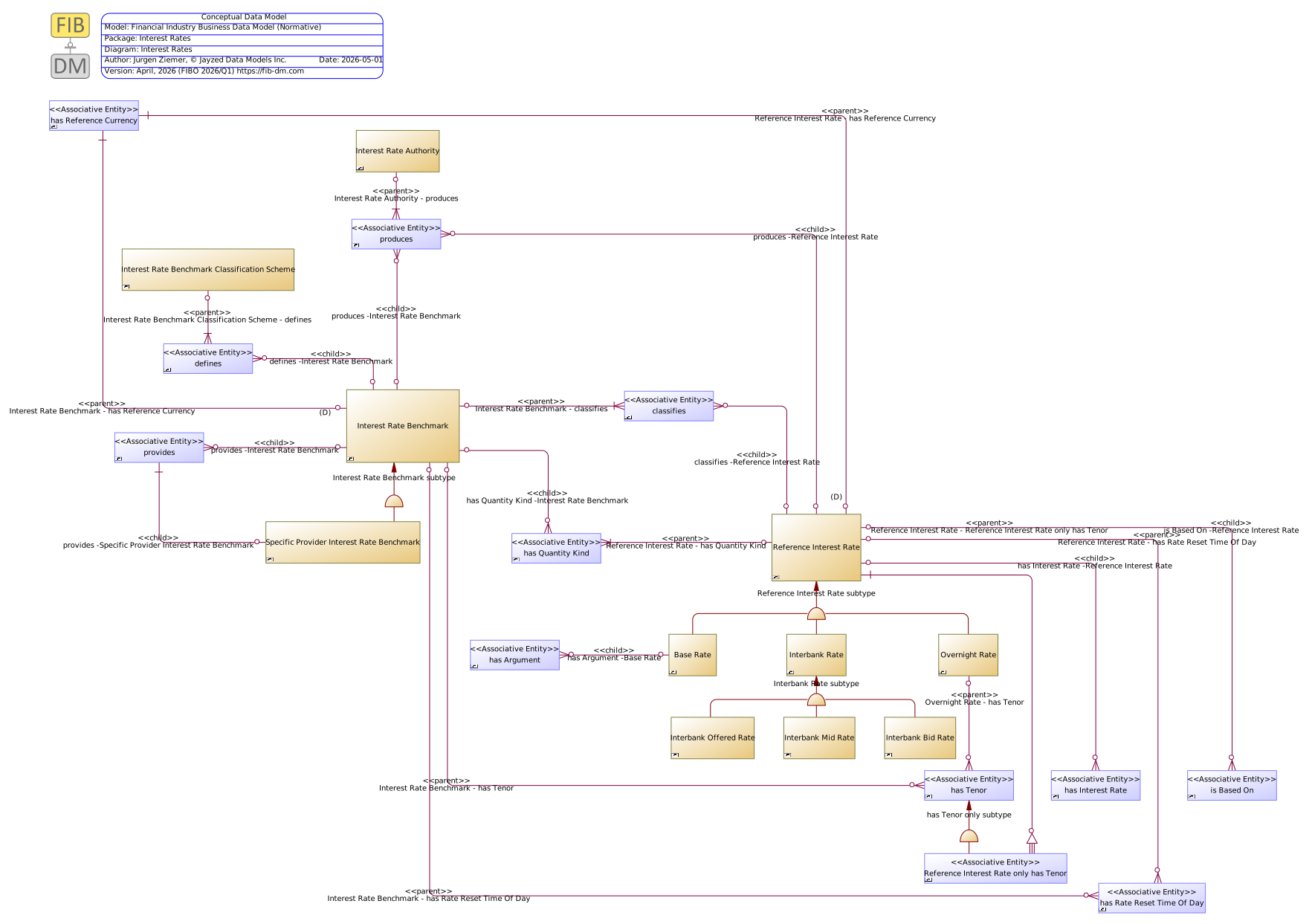
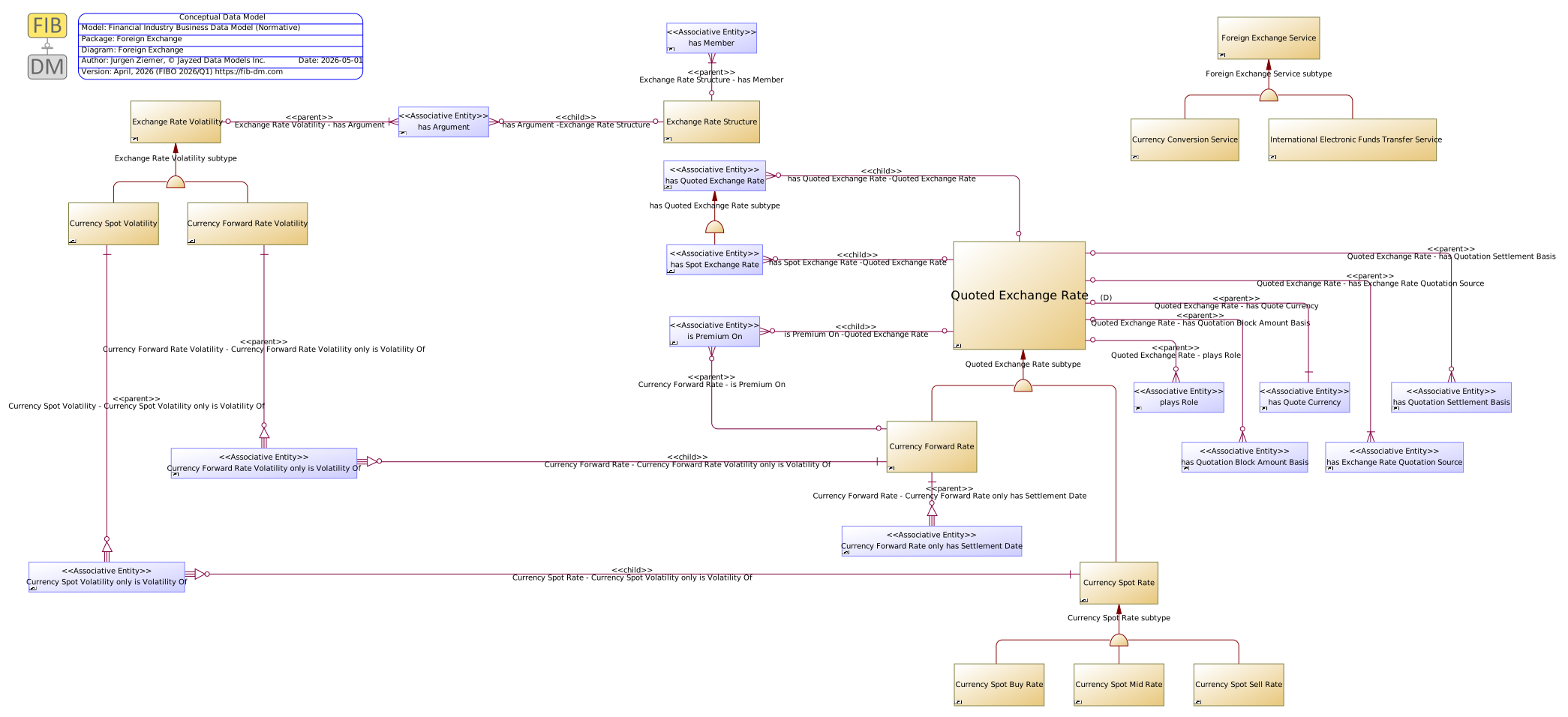
Click on an image in the gallery to open the full-size Scalable Vector Graphic in a separate tab.
Package descriptions
Indicators
The package for data model objects is derived from the Indicators ontology module. This ontology provides the concepts common to all market rates, indices, and indicators; that is, concepts descriptive of the numeric parameters themselves. These are modeled independently of the values they may take over time.
Basket Indices
The package for data model objects is derived from the Basket Indices ontology module. This ontology defines market indices as hypothetical portfolios of investment holdings that correspond to some segment of the financial market, whose value is determined by the prices of the underlying holdings. Coverage includes credit indices, security-based indices, economic indicator-based indices, and combinations thereof.
Interest Rates
The package for data model objects is derived from the Interest Rates ontology module. This ontology provides the basic types of interest rates recognized in financial markets and, where applicable, the relationships between them. These include bank base rates, interbank offer rates, overnight interest rates, and the US Federal Funds rate, which is widely used as a reference rate. It also includes the concept of a market rate spread between two interest rates.
Foreign Exchange
The package for data model objects is derived from the Foreign Exchange ontology module. This ontology provides parameters for foreign exchange rates, including spot and forward rates, as well as spot rate volatility.