With 383 entities, the ontology-derived data model provides extensive support for derivatives.
Package Diagram
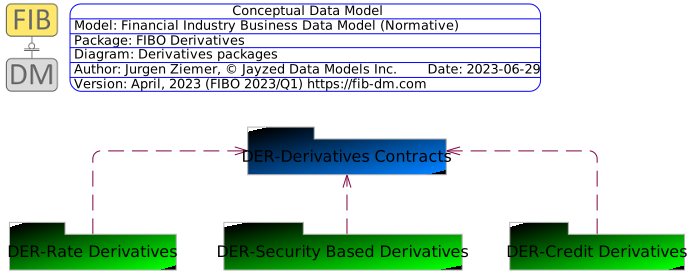
The diagram shows the hierarchy of Derivative packages derived from FIBO modules. The Derivative Contracts folder covers the Basics, Master Agreements, and derivative types such as Futures, Options, and Swaps. There are specialized folders for Interest Rate, Security-based, and Credit Derivatives.
E/R diagrams
This gallery shows the Derivatives package diagrams of the Financial Industry Business Data Model. FIBO modules transform into FIB-DM packages. In other words, the data model entities, attributes, and relationships in a package all share the same code prefix.
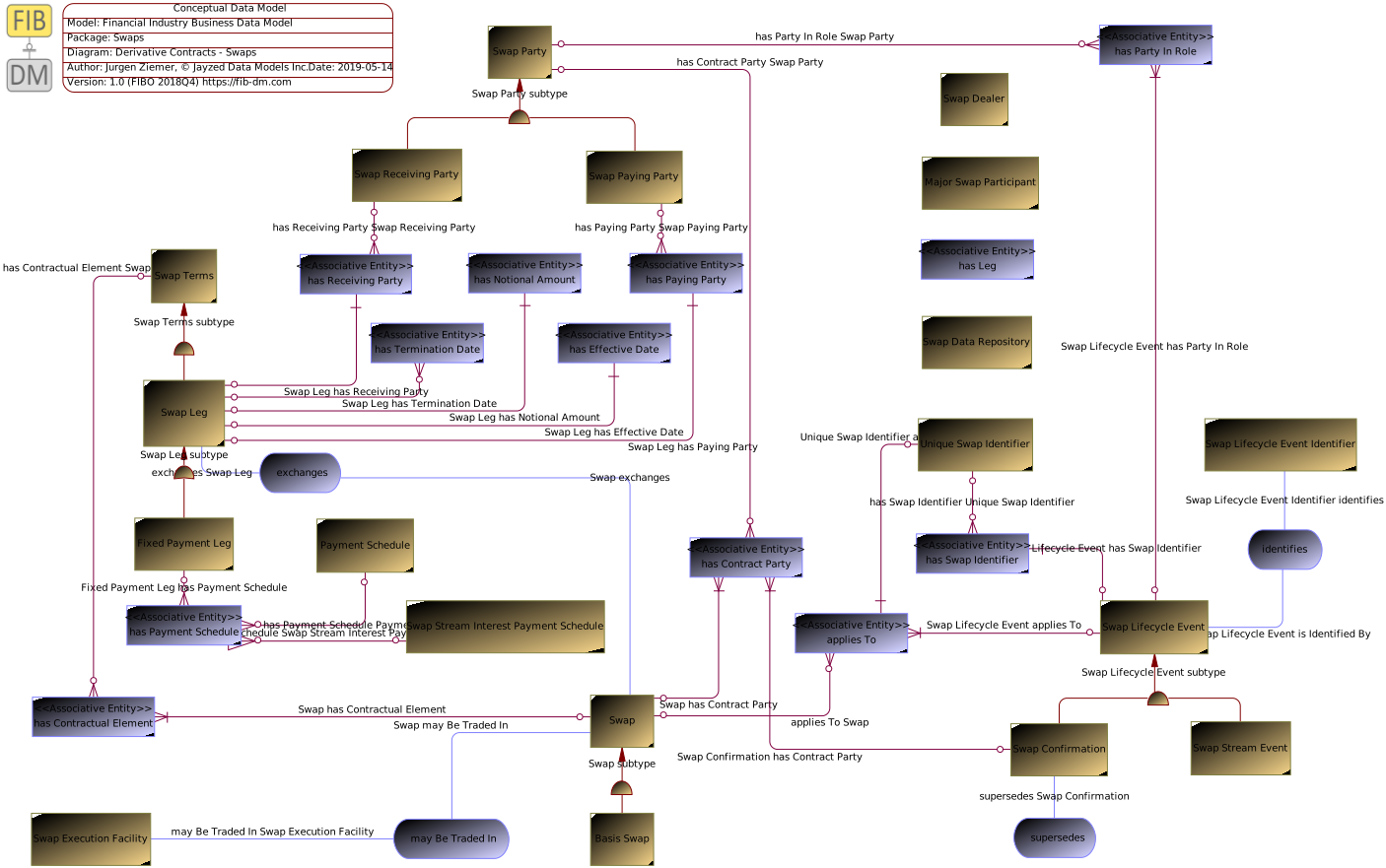
You can click on a gallery image to open the full-size Scalable Vector Graphic in a separate tab.
Package Descriptions
The definitions were derived from the FIBO ontology annotations.
Derivative Basics
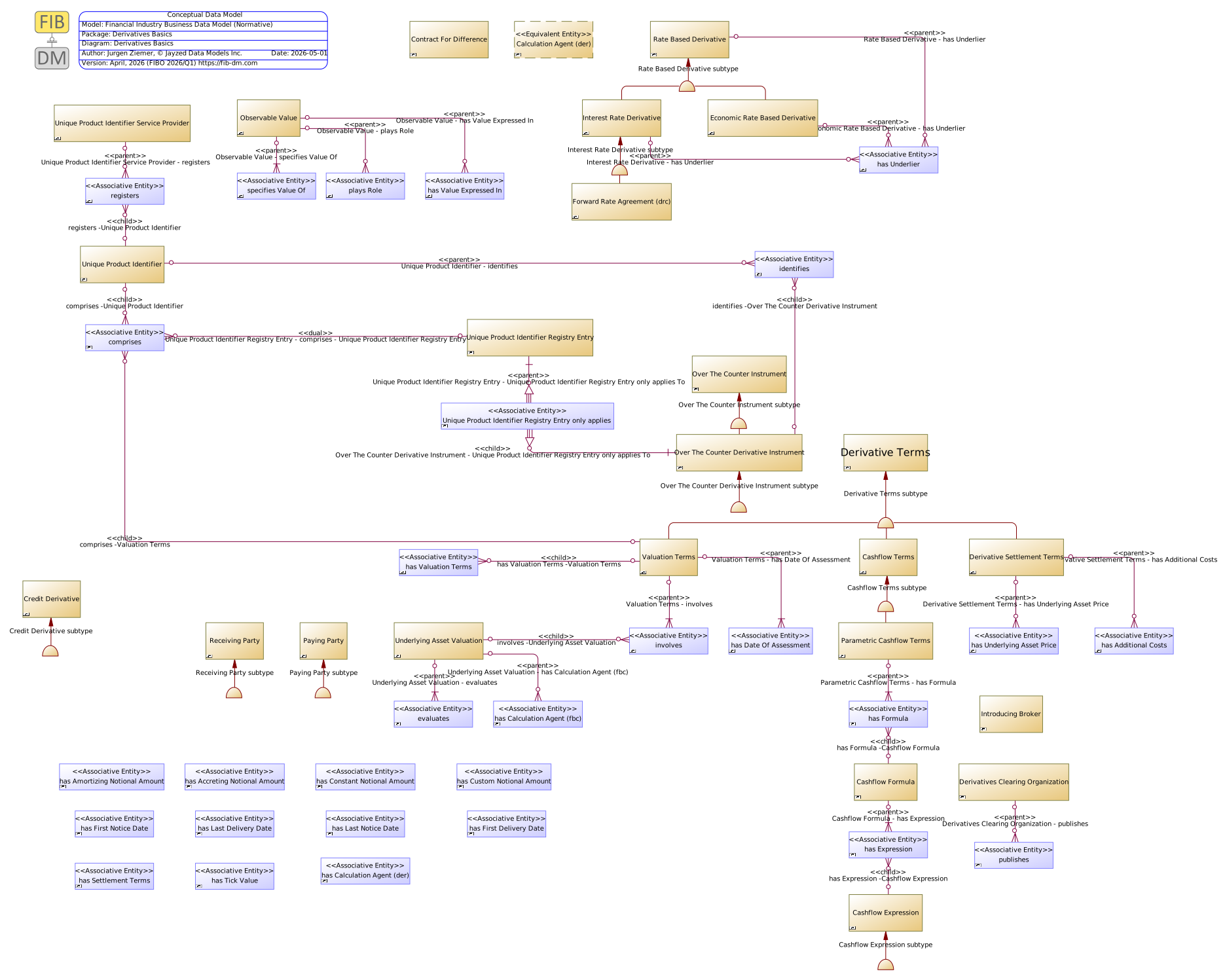
The package for data model objects derived from the Derivatives Basics ontology module. This ontology defines basic terminology common to derivative and over-the-counter (OTC) contracts.
The diagram shows the Derivatives Terms entity and its subtypes for Valuation, Cashflow, and Settlement Terms. The packages also define the OTC Instrument with its registration and ID.
Derivative Master Agreements
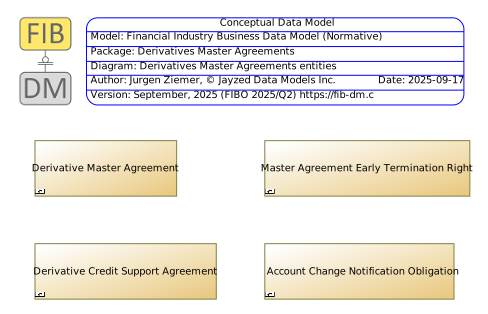
The package for data model objects is derived from the Derivatives Master Agreements ontology module. This ontology covers terms that make up the OTC Derivatives Master agreement as defined in the ISDA literature, at a high level, although most of the relevant provisions are provided in the higher-level Contracts ontology.
The entities in this package appear to be “islands” with no relationship lines. However, they are specializations to extend higher-level concepts. The Derivative Master Agreement, for example, is a subtype of the Master Agreement and the Credit Agreement.
Swaps
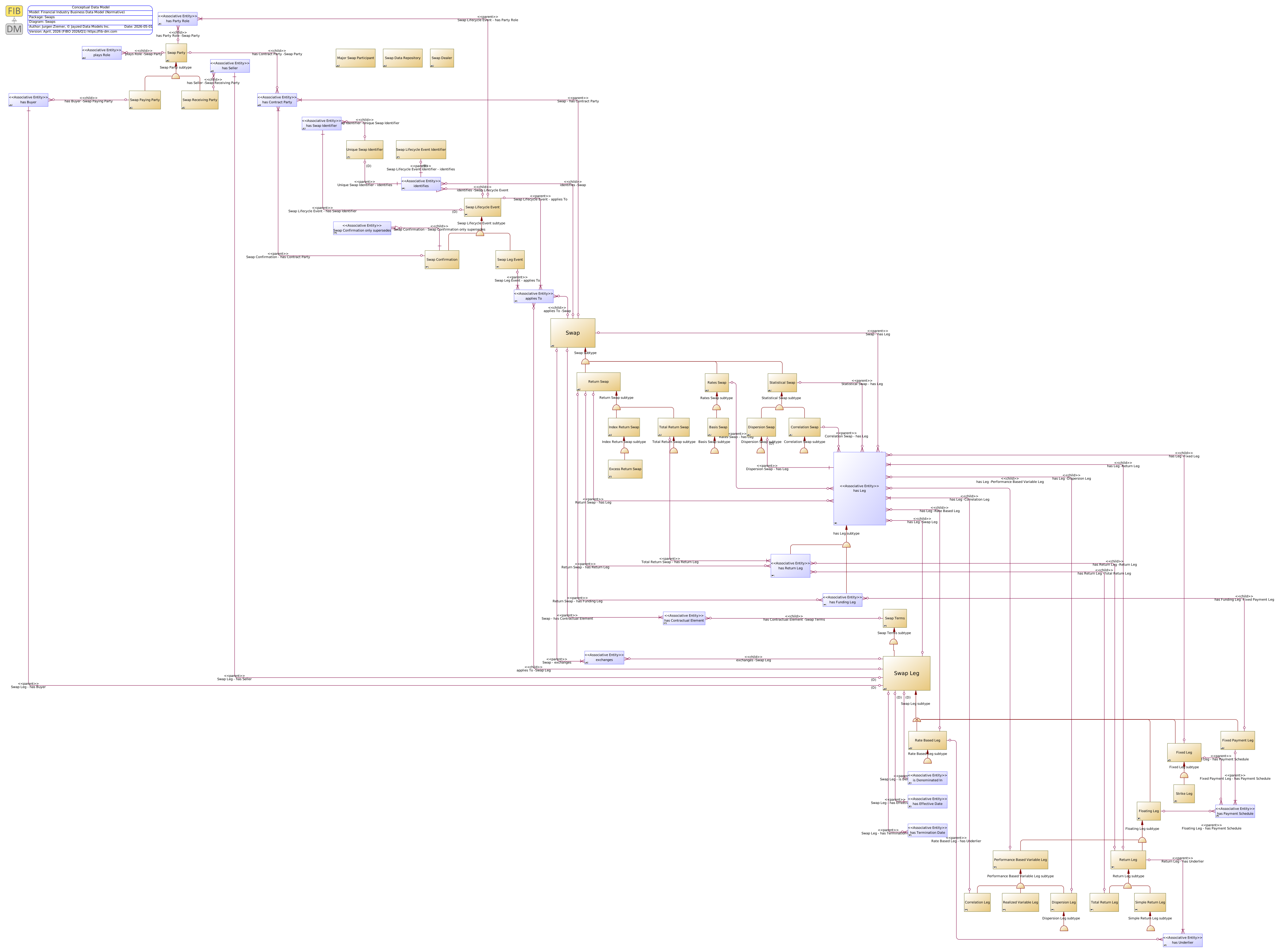
The package for data model objects derived from the Swaps ontology module. This ontology defines concepts specific to swap contracts, including relevant trading organizations, data repositories, and intermediaries.
Swaps are complex and a major challenge for the data modeler. The FIBO has a clear and consistent approach.
At the center of the diagram, we see the Swap entity with its subtypes: Return, Rate, and Statistical Swaps. Above and to the left, the diagram depicts the Swap Party and entities to model the Swap Lifecycle.
The central Associative entity, “has Leg”, connects the Swap to its Legs. Twelve subtypes cover the different types of Swap Legs.